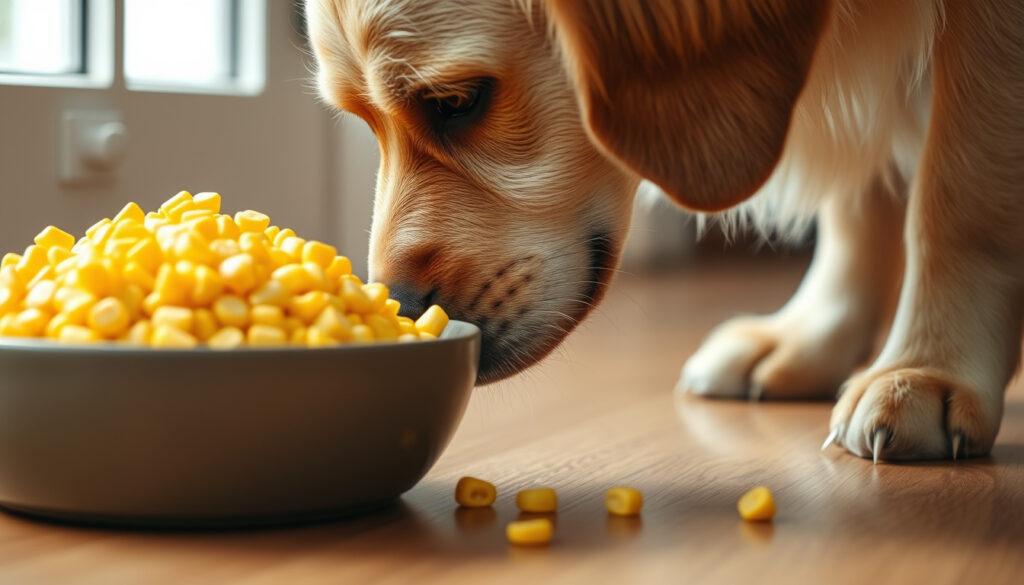
Can Dogs Have Corn? Safety, Risks, and Feeding Tips
You’ve heard conflicting advice about feeding corn to your dog. The truth depends entirely on how you serve it, and we break down which forms are safe, which are risky, and how to make the right call for your pet.
Safe forms of corn for dogs: Plain cooked kernels ·
Risks: Choking hazard from cob, digestive issues ·
Recommended serving size: A few kernels per day for medium dogs ·
Key unsafe form: Corn on the cob whole or seasoned
Quick snapshot
- Plain cooked corn kernels are safe for dogs in small amounts (American Kennel Club (AKC) (trusted pet health authority))
- Corn on the cob is dangerous and should never be given whole (PetMD (veterinary-reviewed resource))
- Corn is a common ingredient in many commercial dog foods (Tufts University (veterinary nutrition research))
- Exact safe daily limit for corn across all dog sizes
- Whether organic corn offers health advantages over conventional
- Long-term health effects of corn as a regular treat
- Whether corn is a filler in dog food or beneficial
- Whether small breeds can safely eat the same portion as large breeds
- Immediate veterinary emergency if a dog swallows a corn cob (Tufts University, MVA Vets (veterinary clinic))
- Consult a veterinarian if your dog shows signs of distress after eating corn
- Only feed plain kernels off the cob in moderation
Four key facts about corn and dogs, one pattern: corn is safe when prepared properly but risky when whole or seasoned.
| Fact | Details |
|---|---|
| Corn digestibility for dogs | 95% digestible when cooked (Purina (pet nutrition leader)) |
| Maximum safe kernels per day (30 lb dog) | ~20-30 kernels |
| Common filler in commercial dog food | Yes, but provides energy and fiber |
| Veterinary consensus on corn allergens | Less than 1% of dogs have corn allergy |
Is cooked corn ok for dogs?
Benefits of plain cooked corn
- Plain cooked corn kernels are safe for dogs in small amounts (American Kennel Club (AKC) (trusted pet health authority))
- Corn provides fiber, vitamins, and minerals (Tufts University (veterinary nutrition research))
- Cooked corn is easier to digest than raw corn (PetMD (veterinary-reviewed resource))
How to prepare corn safely for dogs
- Serve corn off the cob to reduce choking and intestinal blockage risk (PetMD)
- Avoid butter, salt, or other seasonings (PetMD)
- Cooked fresh corn cut off the cob can be offered as a treat (Tufts University)
Nutritional content of corn kernels
- Corn is a source of carbohydrates, fiber, and B vitamins
- Plain cooked corn is low in fat and safe for dogs when fed as an occasional treat
The implication: preparation is the deciding factor, not the corn itself.
Is fresh corn good for dogs?
Differences between raw and cooked corn
- Raw corn is harder to digest than cooked corn (PetMD)
- Whole sweet corn kernels can pass through the intestines intact if not thoroughly chewed (Tufts University)
- Fresh raw corn can be safe but is less digestible; cooking improves digestibility
Digestibility of raw corn
- Raw corn kernels are more likely to cause digestive upset than cooked ones
- Small amounts of raw corn are generally safe, but cooked is better
Risk of intestinal blockage from whole kernels
- Whole kernels can cause blockages if swallowed without chewing, especially in small dogs
- Always cut kernels off the cob before feeding
Raw corn may seem healthier, but for dogs, cooking unlocks digestibility. The trade-off is minimal loss of nutrients but a much safer snack.
The pattern: cooking is the safer route for dogs.
Can dogs eat corn on the cob?
Why corn on the cob is dangerous
- Corn on the cob is a choking hazard and can cause intestinal blockage (Rover (pet care platform))
- The cob can damage or irritate the digestive tract (Rover)
- Corn on the cob should never be fed to dogs (Tufts University)
Symptoms of cob ingestion
- Vomiting, diarrhea, loss of appetite, abdominal pain, lethargy
- If you suspect your dog swallowed a cob, seek immediate veterinary attention
Immediate steps if dog eats a cob
- Contact your veterinarian or an emergency animal hospital immediately
- Do not induce vomiting without veterinary guidance
A dog that swallows a corn cob faces a blockage within hours. The cost of emergency surgery can exceed $2,000, and the risk of death is real without prompt treatment.
What this means: the cob is the real danger, not the kernels.
Can dogs have corn everyday?
Recommended portion sizes
- Small amounts of corn are fine but not every day (moderation is key)
- For a 30 lb dog, roughly 20-30 kernels per day is a safe treat
- Treats should not exceed 10% of daily calories
Corn as part of a balanced diet
- Corn can be part of a balanced diet when fed occasionally
- Commercial dog food often contains corn as a carbohydrate source, which is safe (Tufts University)
Signs of overfeeding corn
- Weight gain, digestive upset, loose stools
- Excess corn can lead to obesity if fed too often
The catch: moderation is key, and daily feeding is not recommended.
Why is corn bad for dogs?
Common myths about corn and allergies
- Corn allergies are rare in dogs – less than 1% of dogs have a true corn allergy
- Most digestive issues are caused by preparation, not the corn itself
- Corn in kibble is digestible and provides nutrients (Purina (pet nutrition leader))
Real risks from seasoning and cobs
- Butter, salt, and seasonings can cause pancreatitis or sodium poisoning
- Canned, creamed, or seasoned corn should be avoided due to excess sodium and harmful additives (Canada Perspective (pet health resource))
- Corn on the cob is the real danger, not the kernels
Corn in commercial dog food: filler or beneficial?
- Corn is a common ingredient in many dog foods, providing energy, fiber, and essential fatty acids
- Tufts University states that corn is a safe and healthy ingredient in pet food (Tufts University)
- It is not a “filler” in the negative sense; it has nutritional value
The fear of corn is mostly misplaced. The real culprit is how it’s served: whole cobs, heavy seasoning, and overfeeding cause problems, not the kernel itself.
The pattern: the risks come from preparation, not the ingredient.
Upsides
- Corn provides fiber, vitamins, and minerals
- Plain cooked kernels are a safe, low-fat treat
- Corn in commercial dog food is digestible and nutritious
Downsides
- Corn on the cob is a choking hazard and can cause blockages
- Overfeeding can lead to weight gain and digestive upset
- Canned corn often contains excess sodium and additives
Confirmed facts vs. What’s unclear
Confirmed facts
- Plain cooked corn kernels are safe for dogs in small amounts (AKC)
- Corn on the cob is dangerous and should never be given whole (PetMD)
- Corn is a common ingredient in commercial dog food (Tufts University)
What’s unclear
- Exact safe daily limit across all dog sizes
- Whether organic corn offers health advantages
- Long-term health effects of corn as a regular treat
- Whether corn is a filler in dog food or beneficial
- Whether small breeds can safely eat the same portion as large breeds
Expert perspectives on corn and dogs
Corn in dog food is not only acceptable but beneficial — it provides energy, essential fatty acids, and fiber.
— Purina nutritionist (pet food research and development)
Corn off the cob is safe in moderation. The real danger is the cob itself, which can cause life-threatening blockages.
— AKC veterinarian (American Kennel Club)
When feeding corn as a treat, skip the butter, salt, and any seasonings. Plain, cooked, and cut off the cob is the only safe way.
— PetMD writer (veterinary-reviewed content)
For dog owners, the choice is clear: serve plain cooked kernels off the cob in moderation, or risk a costly emergency vet visit. The evidence from veterinary nutritionists and pet health organizations consistently points to preparation as the deciding factor — not the corn itself. Make the simple switch, and corn can be a safe, occasional treat.
tasteofthewildpetfood.com, rover.com, pumpkin.care, pethonesty.com, canadaperspective.org, parkvetgroup.com, adoptapet.com, petful.com
For a detailed look at how corn fits into a canine diet, can dogs eat corn covers safety, portions, and potential hazards.
Frequently asked questions
Can dogs eat canned corn?
Canned corn often contains added salt and preservatives. Rinse it thoroughly and feed only in small amounts. Better to use plain cooked or frozen corn.
Is corn in dog food bad for dogs?
No. Corn in commercial dog food is a safe, digestible source of carbohydrates and fiber. Tufts University confirms it is a healthy ingredient.
Can dogs be allergic to corn?
True corn allergy is rare, affecting less than 1% of dogs. Most digestive issues are from overfeeding or poor preparation, not an allergy.
How much corn can I give my dog?
A few kernels (about 20-30 for a medium-sized dog) a few times per week is safe. Treats should not exceed 10% of daily calories.
Can dogs eat cornbread?
Cornbread often contains butter, oil, sugar, and sometimes salt or baking powder — all of which can upset a dog’s stomach. It’s best avoided.
Is popcorn safe for dogs?
Unflavored, air-popped popcorn is safe in small amounts. Avoid butter, salt, or caramel coatings. Kernels and husks can cause choking.
Can dogs eat corn tortillas?
Plain corn tortillas are generally safe in small pieces, but they offer little nutritional value. Watch for added salt or fat.
What should I do if my dog eats a corn cob?
Contact your veterinarian or an emergency animal hospital immediately. Do not induce vomiting unless instructed. The cob can cause a dangerous blockage.
More related posts
 True About Management of Conflicts of Interest
 How to Clear Cache on Android: Apps, System, Samsung
 Cast of Saving Private Ryan: Roles, Secrets, and Facts
 Shedeur Sanders NFL Draft: Pick 144, Why He Fell, Contract
 What Is APR on a Credit Card – Rates, Types and How It Works
 Jurassic World Rebirth Cast: Main Actors and Fan Questions
 Denver Nuggets vs Toronto Raptors Match Player Stats & Box Scores
 In the Beginning Was the Word: John 1:1 Meaning Explained
