Septic Tank Pumping Services Near Me – Costs, Frequency, Local Pros
Maintaining a healthy septic system requires regular professional pumping to prevent costly failures and environmental hazards. Understanding proper maintenance schedules, realistic pricing, and qualified local providers helps homeowners avoid emergency situations and extend system lifespan.
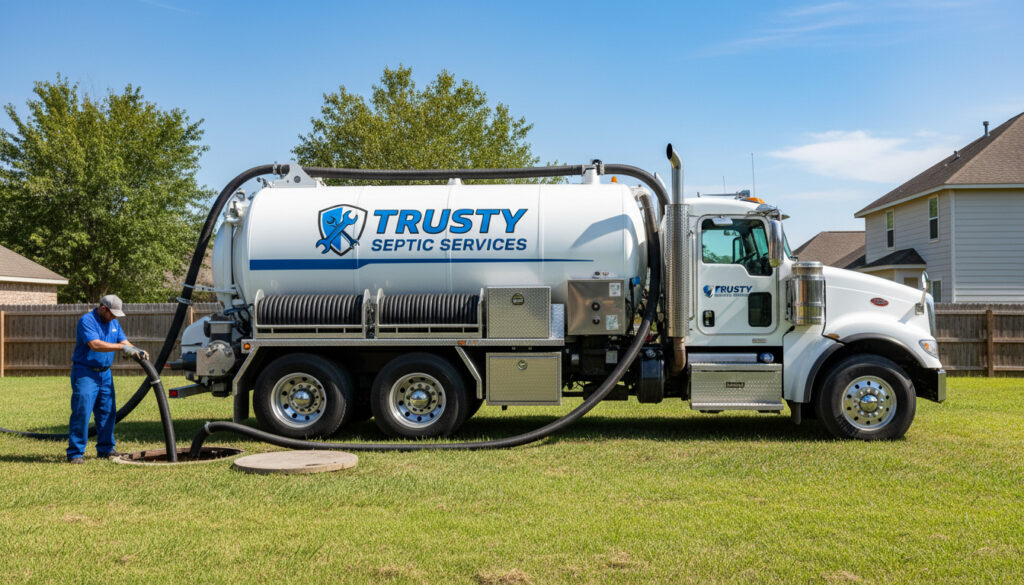
Septic tank pumping services remove accumulated solids and liquids from underground wastewater treatment structures, typically performed by specialized trucks equipped with industrial vacuum systems. The process requires technical expertise, proper disposal permits, and adherence to municipal regulations governing waste handling.
This guide examines established cost data, recommended maintenance intervals, and verification methods for identifying licensed professionals in your area.
How Often Should You Pump Your Septic Tank?
- Most residential systems require pumping every three to five years to maintain proper function, according to Angi.
- Smaller tanks fill faster and demand more frequent service intervals than larger capacity units.
- Households with high water usage patterns accelerate tank filling rates significantly.
- Waiting until visible backups occur risks permanent damage to drain fields and distribution pipes.
- Professional inspections help determine precise timing based on sludge and scum levels.
- Local health departments may mandate specific pumping schedules in certain jurisdictions.
- Tank size and daily water volume represent the primary determinants of service frequency.
| Tank Size | Pump Frequency | Est. Cost |
|---|---|---|
| 600 gallons | Every 2-3 years | $250 |
| 750 gallons | Every 2-3 years | $250–$550 |
| 1,000 gallons | Every 3-4 years | $250–$700 |
| 1,250 gallons | Every 3-4 years | $375–$900 |
| 1,500 gallons | Every 4-5 years | $450–$1,100 |
| 1,750 gallons | Every 4-5 years | $550–$1,250 |
| 2,000+ gallons | Every 5+ years | $700+ |
How Much Does Septic Tank Pumping Cost?
National pricing data indicates homeowners typically spend between $291 and $562 for standard septic tank pumping, with most paying around $426. Broader market analysis suggests costs generally fall within the $250 to $600 range depending on specific tank dimensions and regional labor rates, as reported by Splash Plumbing and Benjamin Franklin Plumbing.
Two primary variables dictate final pricing: tank capacity and usage patterns. Larger volumes require more time, labor, and disposal fees, while geographic location significantly influences base rates.
Cost by Tank Size
Smaller systems incur lower fees, while substantial tanks command premium pricing. The following breakdown illustrates average costs by capacity according to Angi:
| Tank Size | Average Cost |
|---|---|
| 600 gallons | $250 |
| 750 gallons | $250–$550 |
| 1,000 gallons | $250–$700 |
| 1,250 gallons | $375–$900 |
| 1,500 gallons | $450–$1,100 |
| 1,750 gallons | $550–$1,250 |
| 2,000+ gallons | $700+ |
Geographic Price Variations
Metropolitan markets and remote regions exhibit substantial cost disparities. Coastal areas and major cities typically trend higher than rural locations due to disposal fees and travel distances.
| Location | Average Cost |
|---|---|
| Portland, OR | $440–$750 |
| Long Island, NY | $275–$515 |
| Phoenix, AZ | $360–$600 |
| Denver, CO | $260–$350 |
| Minneapolis, MN | $175–$275 |
New York City residents specifically encounter rates between $279 and $549, averaging $413 per service call according to Angi.
Beyond pumping, budget for inspections ($250–$1,175), tank cleaning ($400–$1,000), or emergency clog removal ($1,700). Angi reports that overflow cleanup runs $7–$15 per square foot if systems fail.
Signs Your Septic Tank Needs Pumping
Several observable indicators suggest immediate pumping requirements. Slow-draining fixtures, gurgling sounds in plumbing lines, and unpleasant odors near drains or the tank lid indicate solid accumulation reaching critical levels.
Lush, unusually green patches of grass above the drain field often signal nutrient-rich effluent surfacing from overloaded systems. Standing water, sewage backups into household fixtures, or alarm activations on advanced treatment units require urgent professional attention.
What Happens If You Don’t Pump Your Septic Tank?
Neglecting regular maintenance creates cascading system failures. Solids migrate into drain fields, clogging soil pores and permanently damaging subsurface disposal capabilities. Repairing compromised leach fields costs significantly more than preventive pumping.
Backups present serious health hazards, exposing residents to pathogens and requiring extensive remediation. Property contamination incidents may trigger municipal violations and mandatory environmental assessments.
Sewage backups create immediate health hazards requiring professional remediation. Angi data indicates overflow cleanup costs range from $7 to $15 per square foot, significantly exceeding routine pumping expenses.
How to Find Reliable Septic Tank Pumping Services Near You
Locating qualified providers requires verifying current licenses, insurance coverage, and local waste transport permits. Reputable companies maintain specialized vacuum trucks, proper disposal agreements with treatment facilities, and adherence to state environmental regulations.
Search strategies mirror other local service lookups, such as researching 24 Hour Fitness Near Me – Locations Hours Prices 2025 Guide for geographic search methodologies. Focus on contractors with established regional presences and verified customer feedback.
Several established providers serve specific regions, including Long Island, Westchester County, and the New York Metropolitan area. Certified Cesspool offers services in Suffolk County, while Citywide Plumbers operates in Nassau County including Roslyn. County Septic maintains coverage throughout the metropolitan region.
Contact local licensed service providers for accurate estimates. Benjamin Franklin Plumbing notes that some companies offer package deals combining regular maintenance with pumping services, potentially reducing long-term costs.
What to Expect from the Septic Tank Pumping Process
Professional technicians arrive with specialized tanker trucks equipped with high-capacity vacuum systems. They locate and excavate tank access lids, insert heavy-duty hoses, and remove accumulated sludge, scum, and effluent.
The process requires accessing both outlet and inlet baffles to ensure complete emptying. Technicians inspect internal components for cracks, root intrusion, or structural degradation during service.
How Long Does Septic Tank Pumping Take?
Standard residential pumping typically requires one to two hours depending on tank size, accessibility, and sludge volume. Complicated systems with limited clearance or requiring lid excavation may extend service duration.
Technicians transport waste to licensed treatment facilities, documenting disposal for regulatory compliance. Homeowners receive service reports indicating tank condition and recommended future maintenance dates.
Septic System Maintenance Timeline
- Installation: Year 0 – System activation and initial inspection
- First Pumping: Year 3 – Initial solids removal for average household
- Routine Service: Every 3-5 years – Regular pumping cycle based on Angi recommendations
- Annual Inspection: Ongoing – Professional evaluation of tank levels and components
- Emergency Response: As needed – Immediate pumping for backups or alarms
Separating Septic Myths from Facts
| Common Misconception | Verified Fact |
|---|---|
| Pump only when the tank is visibly full | Pump every 3-5 years regardless of appearance to prevent drain field damage |
| DIY pumping is safe and cost-effective | Requires commercial licenses, specialized equipment, and proper disposal permits; not recommended for homeowners |
Sources: Angi, Benjamin Franklin Plumbing
Why Regular Pumping Protects Your Investment
Septic systems represent significant infrastructure investments, with replacement costs far exceeding preventive maintenance. Regular pumping preserves drain field functionality by preventing solids migration that permanently clogs soil absorption areas.
Proper maintenance protects groundwater quality and surface water resources from nutrient contamination. Municipalities increasingly enforce compliance with pumping schedules through inspection programs and penalty structures.
Maintained systems support property values and transferability, while documented service histories satisfy lender requirements during real estate transactions.
Expert Sources and Industry Standards
Septic tank pumping should not be attempted as a DIY project unless you operate a septic plumbing company.
— Angi
For accurate estimates, you should contact a local licensed service provider.
— Benjamin Franklin Plumbing
Your Next Steps
Identify your tank size through property records or professional inspection to establish appropriate service intervals. Obtain written estimates from three licensed providers, verifying included services such as inspection and disposal fees. Schedule pumping before visible symptoms develop, and maintain service records for future reference. For additional local service research methods, see Memphis Grizzlies vs Cleveland Cavaliers Match Player Stats.
Frequently Asked Questions
Can I pump my own septic tank?
No. Septic tank pumping requires specialized equipment, commercial vacuum trucks, and proper waste disposal permits. Attempting this as a DIY project is not recommended unless you operate a licensed septic plumbing company.
What size septic tank do I have?
Residential tanks typically range from 600 to 2,000+ gallons. Check property records, building permits, or inspection reports. Professional service providers can verify exact capacity during routine maintenance visits.
How much does a septic inspection cost?
Professional septic inspections cost between $250 and $1,175 depending on system complexity and local rates. Inspections should accompany pumping services to assess tank condition and component functionality.
What is the difference between septic pumping and cleaning?
Pumping removes liquids and solids from the tank for $291-$562 average. Cleaning involves additional scrubbing of tank walls and baffles, costing $400-$1,000. Pumping is routine maintenance; cleaning addresses specific buildup issues.
Do larger tanks cost more to pump?
Yes. A 600-gallon tank averages $250 to pump, while 2,000+ gallon tanks cost $700 or more. Costs scale with capacity due to increased labor, time, and disposal volume requirements.
Are septic pumping costs higher in certain cities?
Yes. Portland averages $440-$750, while Minneapolis runs $175-$275. New York City specifically ranges $279-$549, averaging $413 per service.
More related posts
 United Airlines Flight Changes August 12: Policy Guide
 True About Management of Conflicts of Interest
 Love and Other Drugs: Maggie’s Condition, Plot, and Quotes
 Dwayne The Rock Johnson: Biography, Net Worth, Height, FAQs
 Trolls (Film) Age Rating, Cast, LGBTQ Representation, Streaming
 Recargar Moneda de TikTok: Official Guide & Price
 Dresses for Wedding Guests: The Complete Ireland Guide
 New Series to Watch 2026: Top Trending Shows Now
