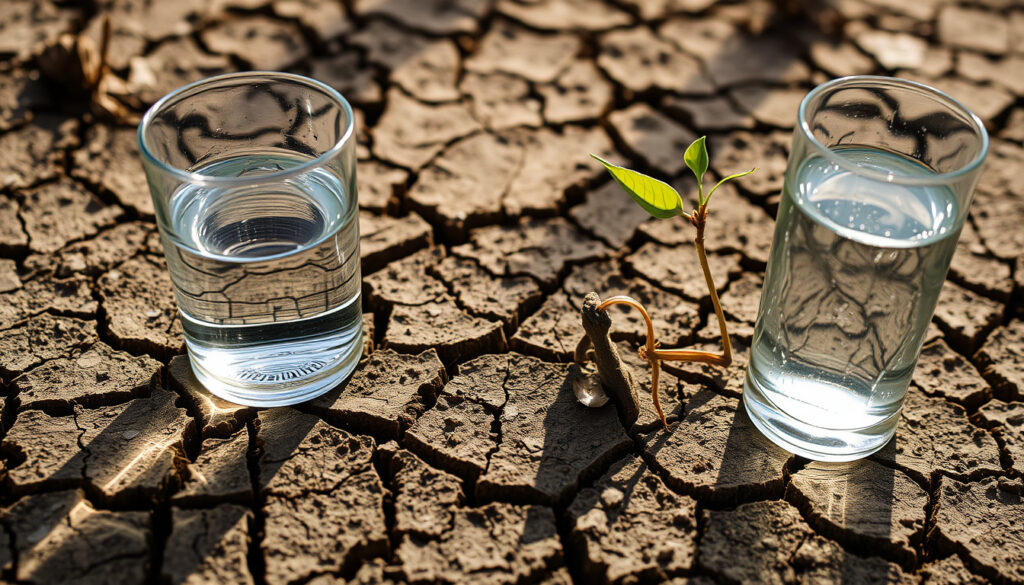
10 Signs of Dehydration: Spot Hidden Symptoms Early
Most of us think we’d know if we were dehydrated — that unmistakable dry throat, maybe a pounding headache. But for older adults and athletes, the classic thirst signal often arrives late or not at all, and dehydration can creep up silently, affecting the brain, kidneys, and heart before you feel a thing.
Daily water intake recommendation: About 8 glasses (2 liters) for women, 10 glasses (2.5 liters) for men ·
Urine color indicator: Pale yellow signals proper hydration; dark yellow or amber indicates dehydration ·
Severe symptom warning: Confusion, rapid heart rate, and fainting require emergency medical care
Quick snapshot
- Dark urine is a reliable indicator of dehydration (University of Maryland Medical System (hospital network))
- Severe dehydration can cause confusion and rapid heart rate (University of Maryland Medical System)
- The “8 glasses a day” rule is a general guideline not based on rigorous science (National Council on Aging (senior advocacy group))
- Optimal water intake varies greatly by individual, activity, and climate (National Council on Aging (senior advocacy group))
- Mild dehydration can develop within hours of inadequate fluid intake (British Dietetic Association (professional nutrition body))
- Without intervention, severe dehydration may progress to confusion and fainting within 24 hours (British Dietetic Association (professional nutrition body))
- Focus on early detection strategies especially for older adults and athletes
- Learn to spot hidden signs before thirst kicks in
Six key facts about hydration and dehydration — one pattern: many warning signs appear well before thirst. The table below groups the most actionable indicators by severity.
| Indicator | What to look for | Source |
|---|---|---|
| Body water percentage | About 60% of body weight is water | National Council on Aging (senior advocacy group) |
| Daily fluid loss | Adults lose about 2.5 liters per day through breath, sweat, urine, and stool | British Dietetic Association (professional nutrition body) |
| First sign of dehydration | Thirst is a late signal; dry mouth and fatigue often appear earlier | University of Maryland Medical System (hospital network) |
| Urine color check | Pale yellow = hydrated; dark yellow or amber = dehydrated | University of Maryland Medical System (hospital network) |
| Skin turgor test | Pinched skin on back of hand returns slowly when dehydrated | WesleyLife (senior living provider) |
| Severe symptom alert | Confusion, rapid heart rate, fainting require emergency care | University of Maryland Medical System (hospital network) |
| Cognitive decline | Reduced concentration, irritability, brain fog | National Council on Aging (senior advocacy group) |
| Heart rate response | Elevated resting heart rate can signal fluid loss | GoodRx (health information platform) |
What are the 12 warning signs of dehydration?
Dehydration symptoms range from subtle early cues to acute emergencies. The following signs are commonly grouped by severity. According to the National Council on Aging (senior advocacy group), early symptoms in older adults include dark-colored urine, fatigue, irritability, and dizziness. For athletes, University of Maryland Medical System (hospital network) notes that dark urine and dry mouth often appear first.
Common early signs: thirst, dry mouth, fatigue
- Thirst is a signal but not the earliest; dry mouth is a reliable sign. WesleyLife (senior living provider) points out that thirst may naturally decline with age, making it unreliable for older adults.
- Fatigue and lack of energy are frequent early complaints. The British Dietetic Association (professional nutrition body) lists tiredness as a key sign.
- Dry mouth and lips, especially in the morning, can indicate overnight fluid loss. (WesleyLife (senior living provider))
Signs of moderate dehydration: dark urine, reduced urination, headache
- Dark yellow urine indicates dehydration. University of Maryland Medical System (hospital network) says decreased urine and dark-colored urine are common in older adults.
- Headaches — often tension-type — can result from fluid loss. The British Dietetic Association (professional nutrition body) notes headaches as a moderate symptom.
- Infrequent urination (fewer than 4 times per day) is a concrete warning. (University of Maryland Medical System (hospital network))
Severe dehydration symptoms: dizziness, confusion, rapid heart rate
- Dizziness or lightheadedness upon standing is a common sign. GoodRx (health information platform) lists this alongside low blood pressure.
- Confusion and disorientation signal that the brain is affected. The University of Maryland Medical System (hospital network) includes confusion as a severe symptom for both older adults and athletes.
- Rapid heart rate (tachycardia) and rapid breathing indicate the body is struggling to maintain circulation. (University of Maryland Medical System (hospital network))
- Fainting or inability to stand: immediate medical attention is required. (GoodRx (health information platform))
Older adults and athletes face a higher risk: thirst fades with age, and intense exercise masks early cues. Checking urine color is the simplest, most reliable daily gauge.
How to tell if you aren’t drinking enough water?
Rather than waiting for thirst, you can use three practical self-checks recommended by medical organizations. University of Maryland Medical System (hospital network) advises older adults to drink water throughout the day; athletes should hydrate before, during, and after activity, per the International Council on Active Aging (aging advocacy organization).
Check urine color
- Pale yellow is ideal. Dark yellow, amber, or brown means you need fluids. National Council on Aging (senior advocacy group) says this is one of the most reliable early indicators.
Perform the skin turgor test
- Pinch the skin on the back of your hand or lower arm. If it doesn’t snap back quickly, you may be dehydrated. WesleyLife (senior living provider) describes this as a useful self-check for seniors.
Monitor thirst and fatigue levels
- Feeling thirsty is a late signal. By the time you’re thirsty, you may already be dehydrated — Cleveland Clinic (via University of Maryland Medical System) notes this is especially true for older adults.
- Unexplained fatigue or dizziness when standing up can indicate fluid deficit. GoodRx (health information platform) flags this as a moderate-to-severe sign.
The “8 glasses a day” rule is a rough guideline, not a prescription. Your actual need depends on activity level, climate, and health conditions — a lesson especially relevant for seniors on diuretics or athletes training in heat.
The implication: regular self-checks are more reliable than waiting for thirst.
What part of your body hurts when you are dehydrated?
Dehydration doesn’t just make you thirsty — it can trigger pain in several areas. Understanding where and why can help you catch a deficit early.
Headache
- Dehydration can cause tension headaches and migraines. The British Dietetic Association (professional nutrition body) lists headache as a common symptom, while GoodRx (health information platform) notes that reduced blood volume can trigger vascular pain.
Muscle cramps
- Electrolyte imbalances from fluid loss lead to muscle cramps. University of Maryland Medical System (hospital network) lists cramping as a warning sign for both seniors and athletes.
- The TrueSport (youth sports education) highlights that declining coordination often precedes cramps.
Joint pain
- Joint cartilage is about 80% water. When dehydrated, joints lose lubrication, making movement stiffer. University of Maryland Medical System (hospital network) notes that this can worsen existing conditions like arthritis.
The implication: fluid loss affects multiple systems, making pain a useful early cue.
What organ is affected by lack of water?
Every organ relies on water, but three are especially vulnerable when supply runs low.
Kidneys
- Kidneys require water to filter waste from the blood. Chronic dehydration increases the risk of kidney stones and urinary tract infections. The British Dietetic Association (professional nutrition body) warns that dehydration is a leading cause of UTIs in older adults.
Brain
- Even mild dehydration can shrink brain tissue temporarily, leading to confusion, poor concentration, and mood changes. National Council on Aging (senior advocacy group) reports that older adults often experience reduced cognitive function when dehydrated.
Heart
- Lower blood volume forces the heart to beat faster to maintain pressure. GoodRx (health information platform) points out that a rapid heart rate and low blood pressure are classic signs of moderate-to-severe dehydration in older adults.
The takeaway: dehydration strains core organs, with kidneys and brain most vulnerable.
What are the 6 unexpected signs you are not drinking enough water?
Beyond the classic symptoms, several less obvious clues can signal dehydration. These are often overlooked even by health-conscious individuals.
Bad breath
- Reduced saliva production allows bacteria to thrive, causing halitosis. The British Dietetic Association (professional nutrition body) notes that dry mouth contributes to oral health problems.
Sugar cravings
- When the liver lacks water for glycogen release, the body may signal for sugar. National Council on Aging (senior advocacy group) explains that cravings can be a subtle thirst cue.
Dry skin
- Skin loses elasticity and may appear flaky. GoodRx (health information platform) lists dry or flaky skin as a sign in older adults.
Fever
- Impaired sweating can elevate body temperature. Severe dehydration can cause fever, especially in infants and seniors. (Healthline (health information website))
Constipation
- The colon absorbs excess water from waste when the body is low, leading to hard stools. The British Dietetic Association (professional nutrition body) flags constipation as a frequent consequence.
Reduced performance
- Both physical and cognitive performance decline with even mild dehydration. University of Maryland Medical System (hospital network) notes that athletes often experience fading energy and coordination first.
The catch: these subtle signs are often mistaken for other issues, but hydration can resolve them.
How to Rehydrate Effectively
If you spot any of the signs above, here’s a step-by-step rehydration plan based on University of Maryland Medical System (hospital network) and International Council on Active Aging (aging advocacy organization) guidance.
- Stop activity and move to a cool place. Heat accelerates fluid loss.
- Drink water slowly. Sip, don’t gulp — 500 ml over 30 minutes is a safe start for mild dehydration.
- For athletes: Use an electrolyte drink that includes sodium and potassium to replace what sweat removed. Avoid high-sugar sports drinks.
- For older adults: Set a timer to drink 150–200 ml every hour. Keep water within easy reach.
- Monitor urine color. Aim for pale yellow within 2–3 hours.
- If symptoms worsen (confusion, rapid pulse, inability to urinate), seek emergency care immediately.
The principle: slow sipping with electrolytes is the most effective rehydration strategy.
Confirmed facts
- Severe dehydration is a medical emergency (University of Maryland Medical System (hospital network))
- Dark urine is a reliable indicator of inadequate hydration (National Council on Aging (senior advocacy group))
- Dehydration increases the risk of kidney stones (British Dietetic Association (professional nutrition body))
What’s unclear
- The “8 glasses a day” rule is a general guideline, not a precise prescription (National Council on Aging (senior advocacy group))
- Optimal water intake varies greatly by individual, activity, and climate (National Council on Aging (senior advocacy group))
- The accuracy of thirst as a dehydration indicator decreases with age (WesleyLife (senior living provider))
“You should drink enough to keep your urine pale yellow.”
— British Dietetic Association (professional nutrition body)
“Thirst is a late sign of dehydration; by the time you feel thirsty, you may already be dehydrated.”
— Cleveland Clinic (via University of Maryland Medical System)
“Sugar cravings can be a sign of dehydration because your liver needs water to release glycogen.”
— National Council on Aging (senior advocacy group)
The pattern is clear: dehydration often flies under the radar, especially for older adults and athletes who can’t rely on thirst alone. By using daily cues like urine color, skin turgor, and subtle energy shifts, you can catch a deficit early. For the elderly, the implication is direct: a steady sipping habit reduces the risk of falls, UTIs, and hospital visits. For athletes, the trade-off is performance lost to even 2% fluid loss — avoidable with a simple hydration schedule. In a country where heat waves and active lifestyles coexist, knowing these 10 signs isn’t just healthy — it’s a practical skill that can prevent a crisis.
Related reading: Stage 3 Kidney Disease: Life Expectancy, Symptoms & Treatment
Frequently asked questions
Can dehydration cause dizziness?
Yes. Reduced blood volume lowers blood pressure, making you feel lightheaded or dizzy when standing. GoodRx (health information platform) identifies dizziness as a common moderate symptom.
Is coffee dehydrating?
Moderate caffeine intake (up to 400 mg/day) does not cause significant dehydration. The fluid in coffee contributes to overall hydration. The British Dietetic Association (professional nutrition body) confirms that tea and coffee count toward daily fluid needs.
How long does it take to rehydrate?
For mild dehydration, drinking water steadily can rehydrate you within 2–3 hours. Severe cases may require intravenous fluids and longer recovery.
What is the best way to rehydrate after exercise?
Water plus electrolytes (sodium and potassium) is optimal. The University of Maryland Medical System (hospital network) recommends avoiding sugary drinks and sipping regularly over 30–60 minutes.
Can dehydration make you feel cold?
Yes. Dehydration can reduce blood flow to the skin, making you feel chilly even in normal temperatures. This is more common in older adults.
Does dehydration affect blood pressure?
Absolutely. Fluid loss reduces blood volume, which can cause low blood pressure and a compensatory rapid heart rate. GoodRx (health information platform) lists this as a key sign in seniors.
How does dehydration affect the skin?
Skin becomes dry, less elastic, and may appear flaky. The skin turgor test (pinch test) is a reliable way to check hydration status, especially in older adults.
More related posts
 Female Upper Inner Thigh Pain: Causes, When to Worry, and Relief
 Isaiah 40:31 – Meaning and Biblical Context
 Spider-Man: Beyond the Spider-Ver e Relea e Date June 18, 2027
 Mustang GT for Sale: Prices, Performance, Years to Avoid
 Hyrule Warriors Age of Imprisonment: Worth it on Switch 2
 Jeff Bezos First Wife – MacKenzie Scott Marriage Divorce Now
 Onitsuka Tiger Mexico 66: History, Price, and Legacy
