What Does Ammonia Smell Like? Health Signs & Safety Tips
Catching a whiff of something sharp and pungent can stop you in your tracks. If you’ve ever wondered what ammonia smells like — or why your urine, breath, or surroundings suddenly carry that scent — you’re not alone. This guide connects the dots between the odor itself and what it might be telling you about your health or safety.
Detection threshold in air: 5 ppm ·
Normal blood ammonia range: 15–45 µg/dL ·
Common causes of ammonia urine odor: Dehydration, UTI, liver disease, high-protein diet
Quick snapshot
- Ammonia has a sharp, pungent odor detectable at around 5 ppm (CDC Medical Management Guidelines)
- Dehydration can cause urine to smell like ammonia within hours (CDC Chemical Emergencies fact sheet)
- High ammonia levels in blood indicate liver or metabolic problems (NCBI Bookshelf AEGL toxicology reference)
- Whether “old lady smell” is commonly mistaken for ammonia odor by the general public
- The exact frequency of ammonia-smelling urine in pregnant women without infection
- Ammonia odor provides early warning at low concentrations (CDC Medical Management Guidelines)
- Prolonged exposure can cause olfactory fatigue, masking the smell (CDC NIOSH Emergency Response Card)
- If you smell ammonia strongly, evacuate and call 911 (CDC Chemical Emergencies fact sheet)
- Persistent ammonia odor in urine or breath requires medical evaluation (CDC Chemical Emergencies fact sheet)
The pattern across these categories is clear: ammonia’s odor serves as both a useful early detector and a potential health signal that should not be ignored.
| Label | Value |
|---|---|
| Odor type | Sharp, pungent, similar to urine or bleach |
| Common causes of ammonia smell in urine | Dehydration, UTI, high-protein diet, liver disease |
| Health risk level | Low at low concentrations; high if associated with organ failure or gas leak |
| First aid for ammonia exposure | Move to fresh air, rinse eyes/skin, seek medical help |
The takeaway from this table: quick recognition of the source and risk level can guide the correct response, whether that’s drinking water or evacuating a space.
What Does Ammonia Smell Like?
Ammonia is a colorless gas that hits the nose with a sharp, pungent, suffocating odor. The CDC NIOSH IDLH database describes it as a strong, irritating smell. Most people compare it to urine, sweat, fish, or bleach. The CDC Chemical Emergencies fact sheet notes that some describe it as like rotting fish.
What does ammonia smell similar to?
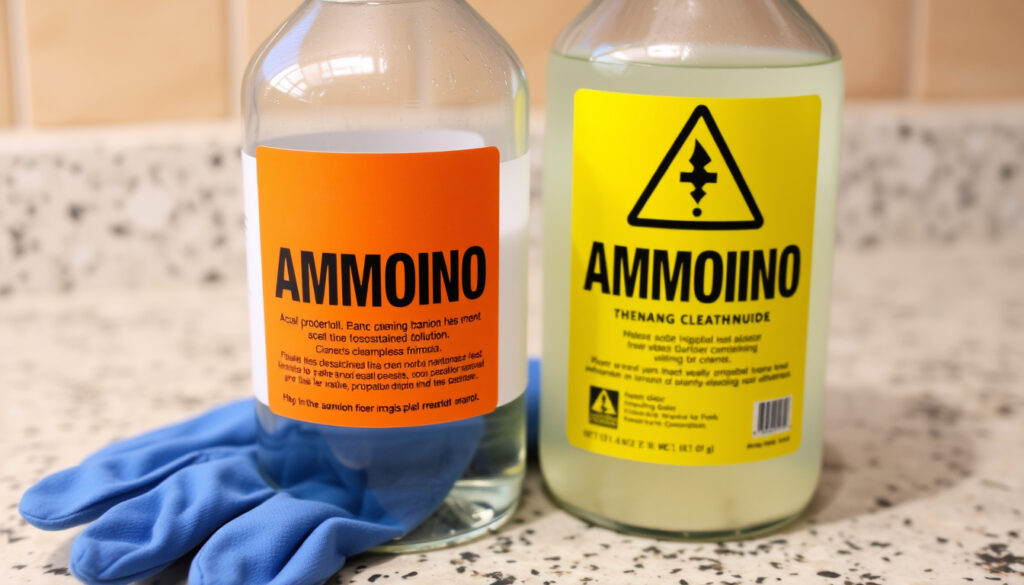
- Bleach: Ammonia and bleach both have sharp, chemical odors, but bleach has a more chlorine-like edge. Ammonia’s scent is often described as “urine-like” whereas bleach is more acrid.
- Sweat: Stale sweat can develop an ammonia-like smell, especially after high-protein diets or intense exercise.
- Fish: Decomposing fish releases amines, including ammonia, producing a similar pungent profile.
Does ammonia smell like bleach?
Not exactly. Bleach (sodium hypochlorite) emits a chlorine smell that is sharper and more irritating to the throat. Ammonia is earthy and sour in comparison. Importantly, mixing ammonia and bleach creates toxic chloramine gas — never combine them (CDC Chemical Emergencies fact sheet).
The implication: The odor itself is unmistakable once you’ve identified it, and its similarity to urine makes it a frequent household confusion. Learning the difference between ammonia and bleach can prevent dangerous accidents.
Anyone cleaning with ammonia or bleach should know the scent profiles: ammonia smells like stale urine, bleach smells like swimming pool chlorine. Mixing them is not just a mistake — it’s a respiratory hazard.
How Do I Know If My Urine Smells Like Ammonia?
Urine that smells like ammonia is a common complaint. The Virginia Department of Health public health toxicology page explains that ammonia in urine can arise from dehydration, a high-protein diet, urinary tract infections, or liver and kidney problems. The smell becomes stronger when urine is concentrated, which can happen within hours of reduced fluid intake.
How long does it take for urine to start smelling like ammonia?
In cases of dehydration, urine can develop a stronger ammonia odor within a few hours as the kidneys conserve water and waste products become more concentrated. The NCBI Bookshelf AEGL toxicology reference notes that the odor threshold for ammonia is in the range of 5 to 53 ppm, meaning even small amounts in urine can be perceptible.
How can I stop my urine from smelling like ammonia?
- Hydrate: Increasing water intake dilutes urine and reduces odor.
- Treat underlying infections: UTIs require antibiotics (consult a doctor).
- Adjust diet: High-protein diets increase urea production; balance with carbohydrates.
What does UTI pee smell like?
UTI urine often has a strong, foul ammonia-like smell, accompanied by cloudiness, blood, or burning during urination. The CDC Chemical Emergencies fact sheet notes that ammonia itself can cause similar irritation, but a UTI involves bacterial overgrowth that produces ammonia as a byproduct.
Why this matters: Persistent ammonia odor in urine is a flag — not always an emergency, but worth a quick check with a healthcare provider if it doesn’t resolve with hydration.
What Does Ammonia Smell Like on a Person?
Ammonia odor can emanate from breath, skin, sweat, or vaginal discharge. The ATSDR ToxGuide for ammonia explains that the body produces ammonia as a waste product of protein metabolism, and when the liver or kidneys fail to clear it, the excess can be released through breath and sweat.
What does ammonia smell like in breath?
Breath that smells like ammonia — called fetor hepaticus — is a hallmark of severe liver disease. The NCBI Bookshelf AEGL toxicology reference notes that elevated blood ammonia (hyperammonemia) can cause confusion, lethargy, and a distinctive sweet-ammonia odor on the breath. It’s a medical emergency.
What does ammonia smell like discharge?
Vaginal discharge with an ammonia-like odor may indicate bacterial vaginosis, trichomoniasis, or poor hygiene. Ammonia itself is not normally present in vaginal secretions; the smell typically results from bacteria breaking down urea. CDC Chemical Emergencies fact sheet notes that ammonia is highly irritating, so any discharge with that odor plus itching or burning warrants a check-up.
What does ammonia smell like in pregnancy?
Pregnancy alters hormone levels and can change body odor, but an overt ammonia smell is not typical. In the Virginia Department of Health public health toxicology page guidance, ammonia exposure during pregnancy is treated with extra caution because it can irritate the respiratory tract, but common pregnancy odor changes are usually due to heightened sense of smell rather than actual ammonia.
The pattern: Ammonia odor on a person is a sign that the body’s waste management system — liver and kidneys — may be struggling. Don’t ignore it.
If you notice ammonia on your own breath or sweat alongside fatigue, confusion, or swelling, get a blood ammonia test. For patients with liver disease, that smell can precede a crisis.
What Are the First Signs of High Ammonia?
High ammonia levels — hyperammonemia — can be dangerous. The CDC NIOSH Pocket Guide to Chemical Hazards lists irritation of the eyes, nose, and throat, dyspnea, wheezing, chest pain, pulmonary edema, and skin burns as acute symptoms of ammonia exposure. For internal metabolic issues, early signs include confusion, lethargy, vomiting, and loss of coordination.
How toxic is ammonia smell?
The CDC Chemical Emergencies fact sheet states that normal environmental amounts of ammonia do not cause health effects in humans. However, high exposure can hurt the skin, eyes, throat, and lungs, and very high levels may cause lung damage and death. The ATSDR ToxGuide for ammonia adds that acute accidental inhalation can lead to death from airway obstruction or secondary complications.
What is the first warning of an ammonia leak?
The odor itself is the first warning — detectable at around 5 ppm (CDC Medical Management Guidelines). The CDC NIOSH Emergency Response Card warns that olfactory fatigue can set in after prolonged exposure, making the smell unreliable. If you suspect a leak, evacuate immediately and call 911. OSHA’s permissible exposure limit is 25 ppm over 8 hours (NCBI Bookshelf Public Health Statement), and levels above 300 ppm are immediately dangerous to life.
The trade-off: The same sensitivity that lets you smell ammonia early can fade after a few minutes of continuous exposure. Trust the initial alarm, not your nose after 10 minutes.
What Is the Old Lady’s Smell Called?
The distinct odor often called “old lady smell” is not ammonia. It’s caused by 2-nonenal, a chemical produced as skin fatty acids break down with age. 2-nonenal has a greasy, grassy, slightly musty smell — very different from the sharp, pungent ammonia odor. The ATSDR ToxGuide for ammonia does not list 2-nonenal as an ammonia-related compound. Good hygiene, moisturizing, and products that neutralize nonenal can manage it.
What causes old people smell and how can you manage it?
- Cause: Oxidation of omega-7 fatty acids on the skin produces 2-nonenal, which accumulates from around age 40 onward.
- Difference from ammonia: Ammonia is sharp and irritating; 2-nonenal is grassy and waxy.
- Management: Regular bathing, use of pH-balanced soaps, and moisturizers with antioxidants (vitamin C, green tea) help break down nonenal.
What this means: If you or a loved one smells “old” but not like urine, it’s likely 2-nonenal, not ammonia. The two are often confused, but the health implications are completely different.
Clarity check
Confirmed facts
- Ammonia has a sharp, pungent odor detectable at 5 ppm (CDC Medical Management Guidelines)
- Dehydration can cause urine to smell like ammonia within hours (CDC Chemical Emergencies fact sheet)
- High blood ammonia levels indicate liver or metabolic problems (NCBI Bookshelf AEGL toxicology reference)
- Olfactory fatigue makes ammonia smell unreliable after prolonged exposure (CDC NIOSH Emergency Response Card)
What’s unclear
- How often the general public confuses “old lady smell” (2-nonenal) with ammonia odor
- Exact prevalence of ammonia-smelling urine in pregnant women without infection
“Ammonia’s odor threshold generally provides adequate warning but is unreliable after prolonged exposure because of olfactory fatigue.”
CDC NIOSH Emergency Response Card (federal chemical safety guidance)
“Ammonia can cause immediate burning sensations in the eyes, nose, and throat even at small exposures.”
CDC Medical Management Guidelines (clinical toxicology resource)
“Normal environmental amounts of ammonia do not cause health effects in humans. But high exposure can hurt the skin, eyes, throat, and lungs and cause coughing and burns.”
CDC Chemical Emergencies (public health fact sheet)
“Breath that smells like ammonia — called fetor hepaticus — is a sign of severe liver disease.”
NCBI Bookshelf AEGL (toxicology reference)
For anyone who smells ammonia in their urine, breath, or environment, the message is clear: identify the source quickly. For a minor dehydration issue, drink water. For a suspected leak, evacuate. For a health red flag, see a doctor. The odor itself is a messenger — and knowing what it means can make the difference between a simple fix and a serious outcome.
ncbi.nlm.nih.gov, ncbi.nlm.nih.gov, stacks.cdc.gov, ubiehealth.com, cdc.gov, cdc.gov
If you notice a strong ammonia smell in your urine, it may be worth exploring common urine odor causes to rule out underlying health issues.
Frequently asked questions
Can ammonia smell come from mold or mildew?
Yes, some molds produce ammonia-like odors as they break down organic material. However, mold smells are usually musty, not sharply pungent like pure ammonia. A professional inspection can distinguish them.
Is ammonia smell in urine always a sign of infection?
No. Dehydration, high-protein diets, and certain medications can cause ammonia odor. If the smell persists after increasing fluid intake, consult a healthcare provider to rule out UTI, liver, or kidney issues.
What foods can make urine smell like ammonia?
Foods high in protein (red meat, fish, eggs) and foods with strong sulfur compounds (asparagus, garlic) can temporarily give urine an ammonia-like odor. Coffee and alcohol can also dehydrate, concentrating the smell.
Should I see a doctor if my urine smells like ammonia?
If the smell is occasional and resolves with hydration, it’s usually not concerning. But if it persists for more than a day or is accompanied by pain, fever, blood, or changes in urination frequency, see a doctor.
Can ammonia smell in sweat be normal after exercise?
Yes. Intense exercise breaks down protein for energy, producing ammonia as a byproduct that can be released through sweat. Staying well-hydrated and eating carbohydrates can reduce it.
What does an ammonia smell in a cat’s urine indicate?
Cat urine naturally contains high levels of urea, which bacteria break down into ammonia over time. A strong ammonia smell often means the litter box needs cleaning. Persistent odor could indicate a urinary tract infection in the cat.
Does cooking chicken produce an ammonia smell?
Fresh chicken has little odor. If chicken smells distinctly like ammonia, it may be spoiled. Spoiled poultry can emit ammonia as bacteria break down proteins. Never cook or eat chicken with an ammonia-like smell.
More related posts
 The Most Dangerous Game: Where to Watch, Story Summary, and Cast
 Find IMAX Theater Near Me: Worth It? Locations & More
 How to Make a Will in Ireland: Costs, Steps & Common Mistakes
 Car Rentals Near Me – Deals, Locations and Rental Tips
 How to Draw a Girl – Easy Step-by-Step Tutorial for Beginners
 Dog DNA Test Kit – Top 2025 Picks Compared
 How Tall is Caitlin Clark? Height, Weight & WNBA Stats
 Google Doodles: Best Games, Easter Eggs & Hidden Features
